Built from the
ground up.
Every time.
24 years building brands from a logo, a kitchen table and a building with no sign on it, and rebuilding the ones that needed it.
Designer · Marketer · Owner- 01Brand strategy & identity
- 02Creative direction
- 03Marketing that pays
- 04Building the operation
Most marketers live in one world: they make the work, or they run the numbers. I do both. I design the brand, then build the ads, the tracking, and the operation that make it pay. I can make it myself, and I’ve led the teams that make it.


Ryann Reed Design Build
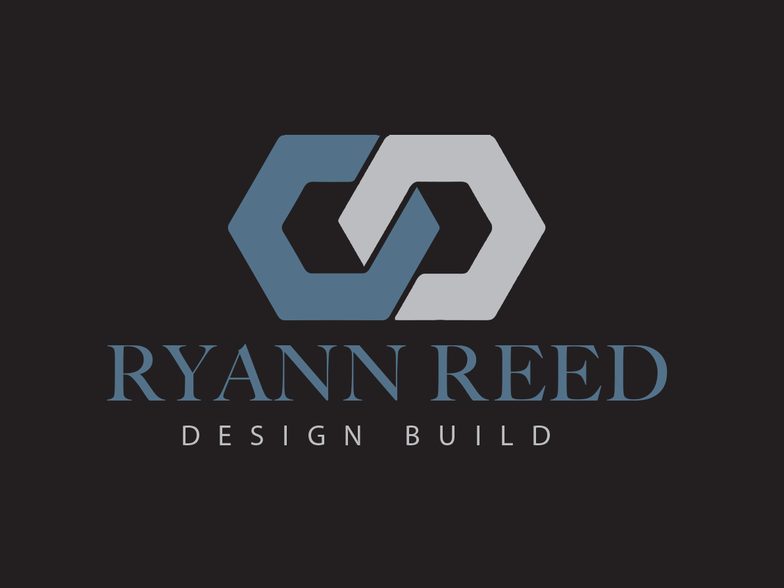
The owner kept the chain-link mark for consistency. I drove the refresh around it to modernize the look, and it brought in real leads.
01 What was broken
- 01A dated brand that couldn’t compete at the top
- 02No lead generation, referrals only
- 03Ad spend with no tracking
- 04Nobody knew what “design-build” meant
Ryann Reed does high-end remodeling for homeowners in suburban Philadelphia and Lower Bucks County. The work was top tier. The brand wasn’t. The logo, type and colors were built to open the doors, not to win the best clients in the area.
There was no lead generation at all. Every job came by referral. An outside agency had rebuilt the Google Ads and left them broken: weak keywords, no negative keywords, no tracking, and a large share of spend nobody could account for. The Business Profile was out of date, the Local Services links were broken, reviews were thin, and almost no one knew what “design-build” meant.
02 The plan
- 01Own “design-build” in the market
- 02Educate first, then sell
- 03One team. One plan. One budget.
- 04Fix the brand first
The customer was a busy professional, 30 to 65, with a good income and no patience for surprises. They didn’t know what design-build was, so we decided to own the term. We’d explain it first, then show them why they needed it.
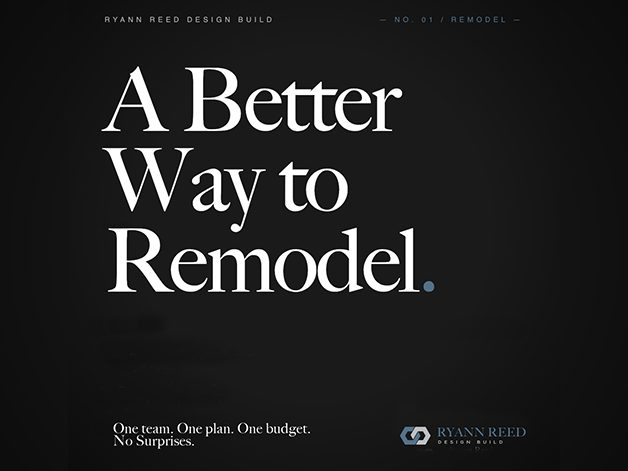
I wrote “One team. One plan. One budget.” in a creative brief as the simplest way to say it: we handle all of it, you approve the plan, and the budget is set top to bottom, with no surprises.
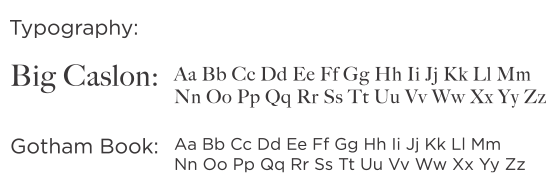
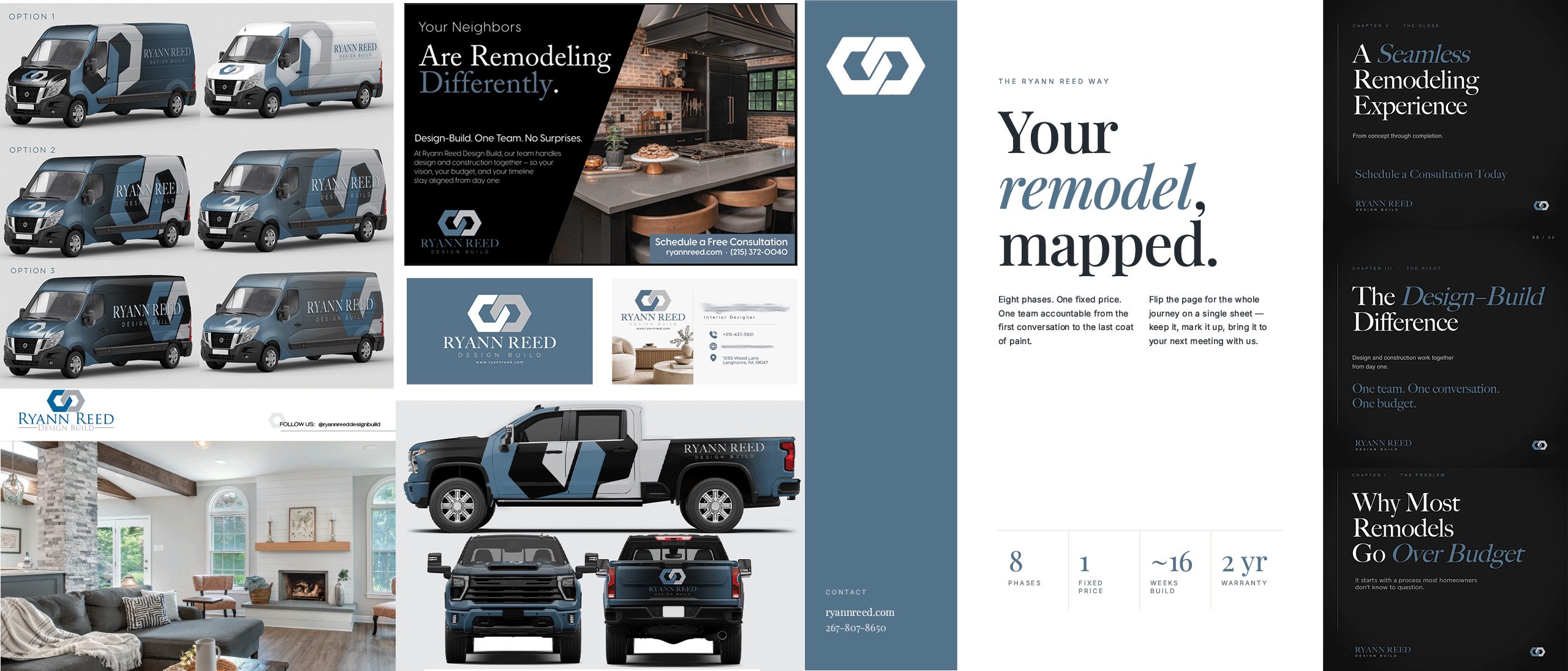
The brand had to change first, because it’s the first thing a customer sees and it has to match the quality of the work they’re paying for. I kept the chain-link mark the company was known by and rebuilt everything around it: the type, layout, color palette and brand voice.
03 What I built
- 01Logo refresh, type, color and voice
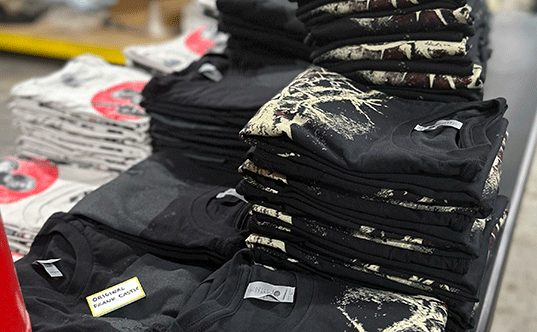
- 02Fleet, trailer and apparel
- 03Print and campaign
- 04Google Ads, Local Services and Business Profile rebuild
- 05Tracking, dashboard and lead SOPs
- 06Meta ads and the authority video
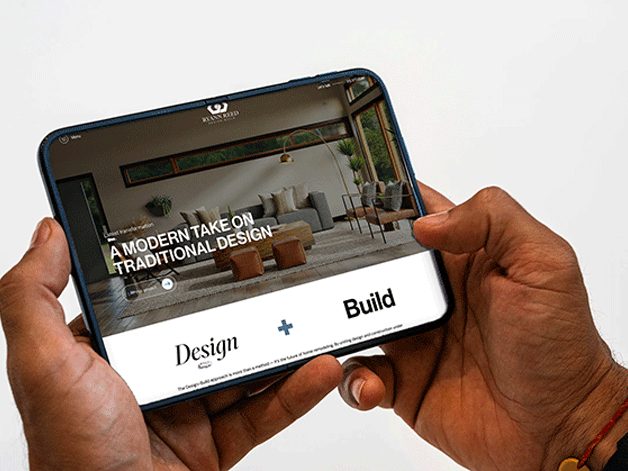
- 07New website (design led by me, built by Dutch)
I tore the Google Ads down and rebuilt them from the ground up in about two weeks, because we needed leads right away and nothing spent so far had been tracked. That meant five campaigns (Kitchen, Bath, Basement, General Remodel and Brand), each with its own ad groups, real keywords, negative keyword lists, and new forms tied to tracking. I connected every channel to one dashboard and wrote the SOPs so sales could set and track every lead the same way.
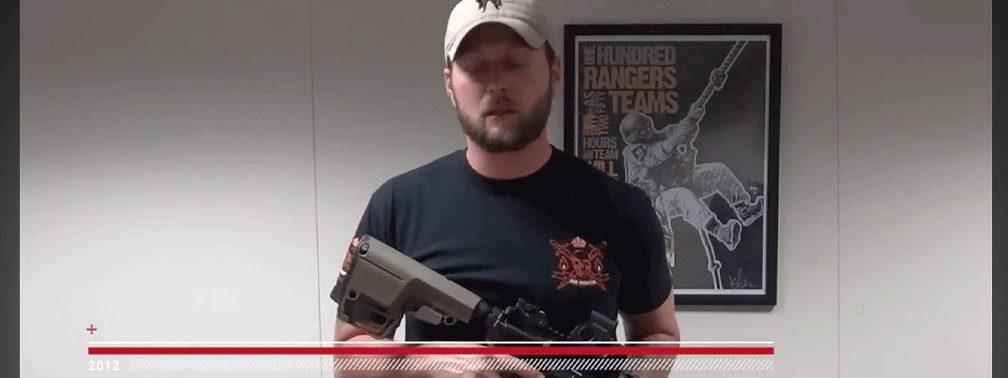
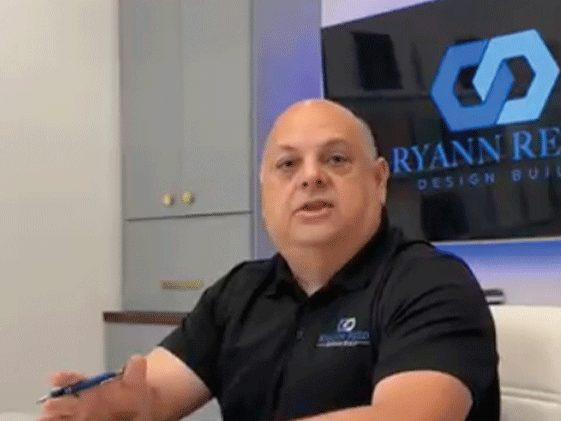
Then came Meta and the authority video. I wrote the script and directed the shoot with Brandon. The video explained design-build in plain terms, reached 1,000 views in under 24 hours, and fed a retargeting audience that produced some of the account’s cheapest leads.
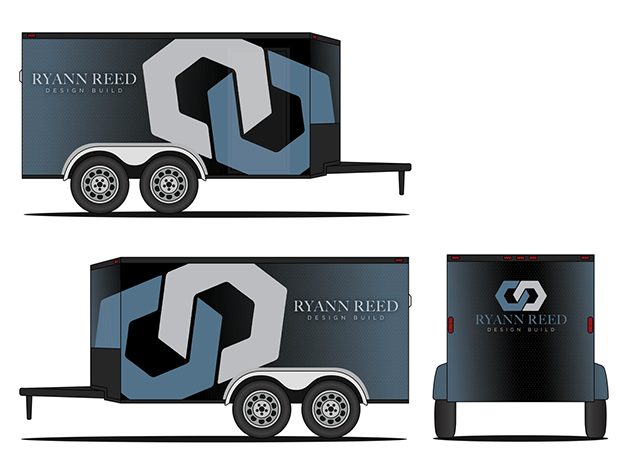
Alongside that, I refreshed the brand across the fleet, trailer, apparel, print and campaign. I also led the design of a new website, which Dutch built. It hadn’t launched by the time I left.
04 What it did
Leads stopped coming only from referrals. In the 16 weeks after the rebuild, marketing-sourced leads closed $1.88M in contracts, with over $3M more signed and in the pipeline. Total ad spend across Google, Local Services and Meta came to less than 1% of that, about a 100x return.
The leads got better, not just more. Nearly half booked a real design appointment, cost per click dropped nearly 75% from the agency-run account, and at its best month blended cost per lead ran at half of target.
Wood Lane Golf & Social
No name, no audience
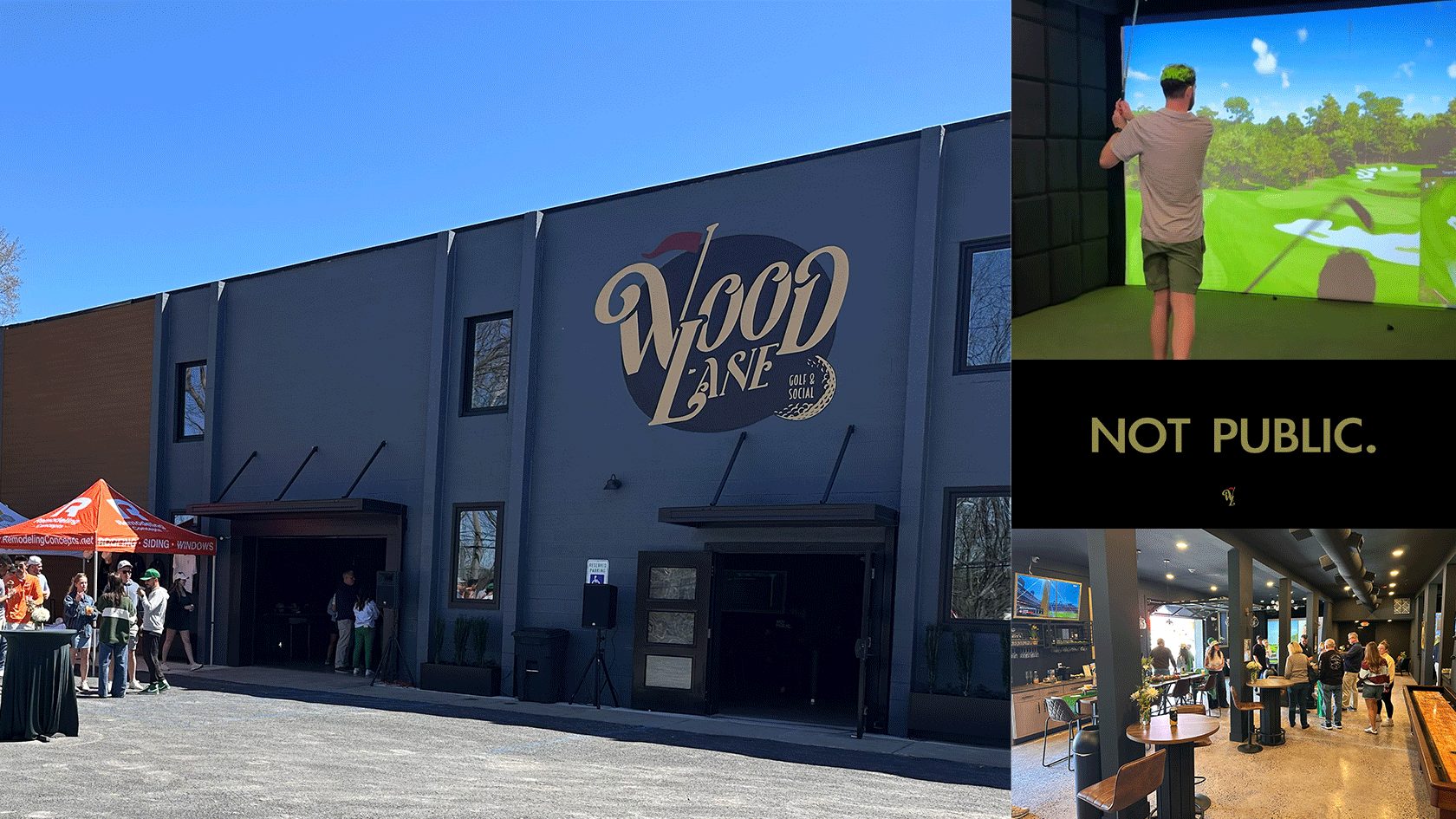
An empty building next door to our offices and a plan for a members-only golf simulator club. No brand, no audience, and memberships had to sell before opening.
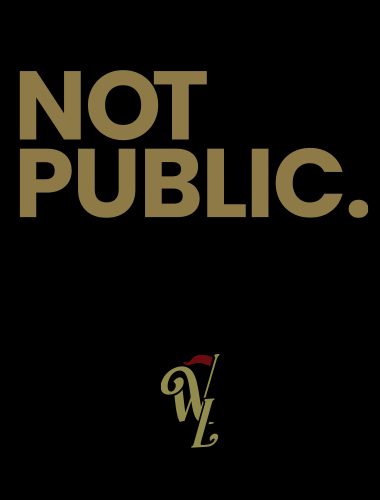
Not Public
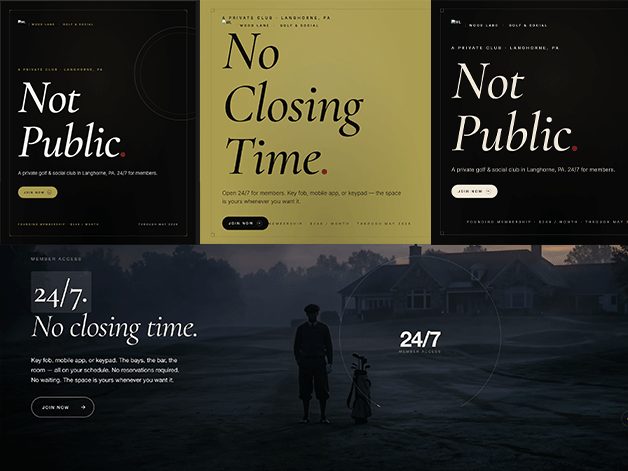
Sell exclusivity, not features. The first ads explained nothing: black screens, two to four words a frame. Once people were curious, a founding membership gave them a reason to act now.
What I built
- 01Logo and identity system
- 02Exterior and the hand-painted logo
- 03Merch and the founders kit
- 04Campaigns, landing pages, email and SMS
Demand, and a lesson
194 leads before opening, with ad costs down 65% in three months. Demand only turns into members when every lead gets a fast call and the price is right from day one. I now build both into every launch plan.
Read the full case study
The problem
When I started, Wood Lane was an empty building next door to our offices and a plan for a private, members-only golf simulator club in Langhorne. It had no name in the market, no audience and no brand, and it needed people to commit to a monthly membership before the doors ever opened.
The strategy: Not Public
I built the brand on one idea: Not Public. Wood Lane isn't for everyone, and the marketing said so.
The first ads explained nothing: no features and no pricing. They were black screens with two to four words a frame, and dark, cinematic shots of an empty bay and a solo swing. "Not Public." "Members only. No tee times. No crowds." "When the course closes… we don't."
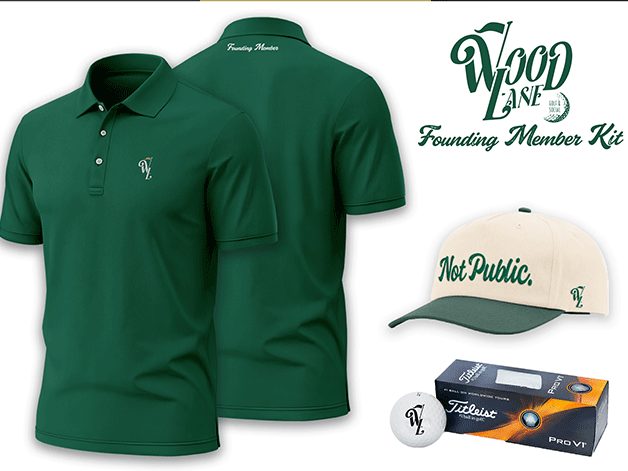
Once people were curious, a founding membership gave them a reason to act now. It came with a locked rate, limited spots, and a founders kit: hat, quarter zip, balls, a whiskey glass and a bag tag.
The work
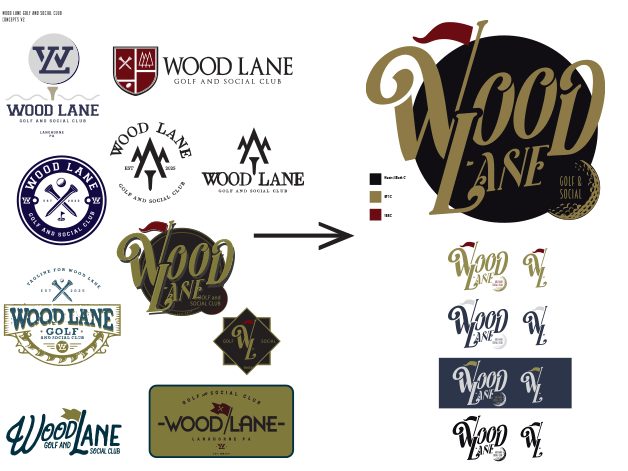
I designed the logo and the full identity system, from sketches to final.
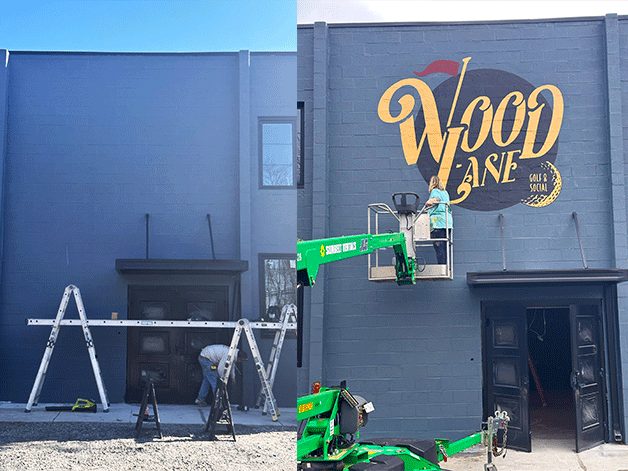
When nobody had a direction for the building, I made the exterior renders, and they became the exterior, including the hand-painted logo on the front. I made the files, laid it out with the painter on the wall, and adjusted the placement midstream when the building owner wanted it moved. I also laid out interior render options and wall concepts.
The merch carried the same voice: polos, caps, a pennant and "Not Public" stickers. I wrote the creative briefs and built the Meta campaigns. Brandon made the static ads, and Dutch built the landing pages and intake. Around the founding member push, we ran a Masters event RSVP, a Summer League launch, email and SMS campaigns, and a partner offer with Giovanni's.
The result
Before the doors opened, the campaigns pulled 194 leads at a cost per lead 40–65% below the golf and lifestyle benchmark. Click-through rates ran two to three times the platform average, ad costs fell 65% in three months, and the Masters event page drew nearly 1,500 visits.
The lesson I took from it: demand only turns into members when someone calls every lead fast and the price is right from day one. Now I build the sales follow-up and the pricing test into every launch plan, not just the marketing.
Good Boy Roofing & Siding
A name that blended in
A good company in a category full of "Pro" and "Elite," so everyone competed on price. And a Meta funnel I'd already rebuilt, bringing leads in at a quarter of Google's cost. The rebrand couldn't break it.
The dog is the referral
The owner chose the name. I fought for the dog. "Call the roofing company with the dog" travels neighbor to neighbor. One rule: nothing public until everything behind it works, then switch every channel on one day.
What I built
- 01Launch strategy, 82-point checklist, 30/60/90
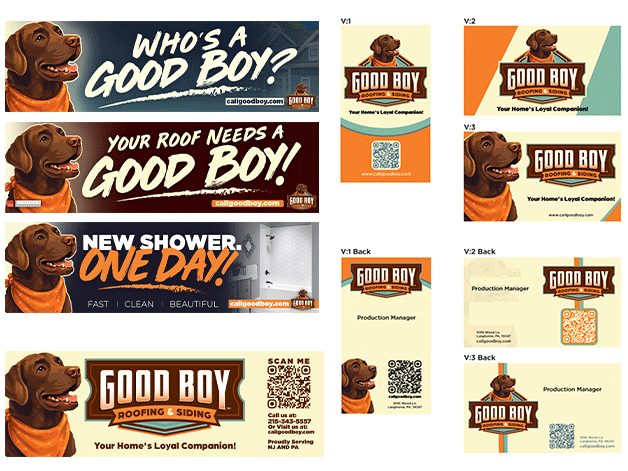
- 02A brief and three concepts per touchpoint
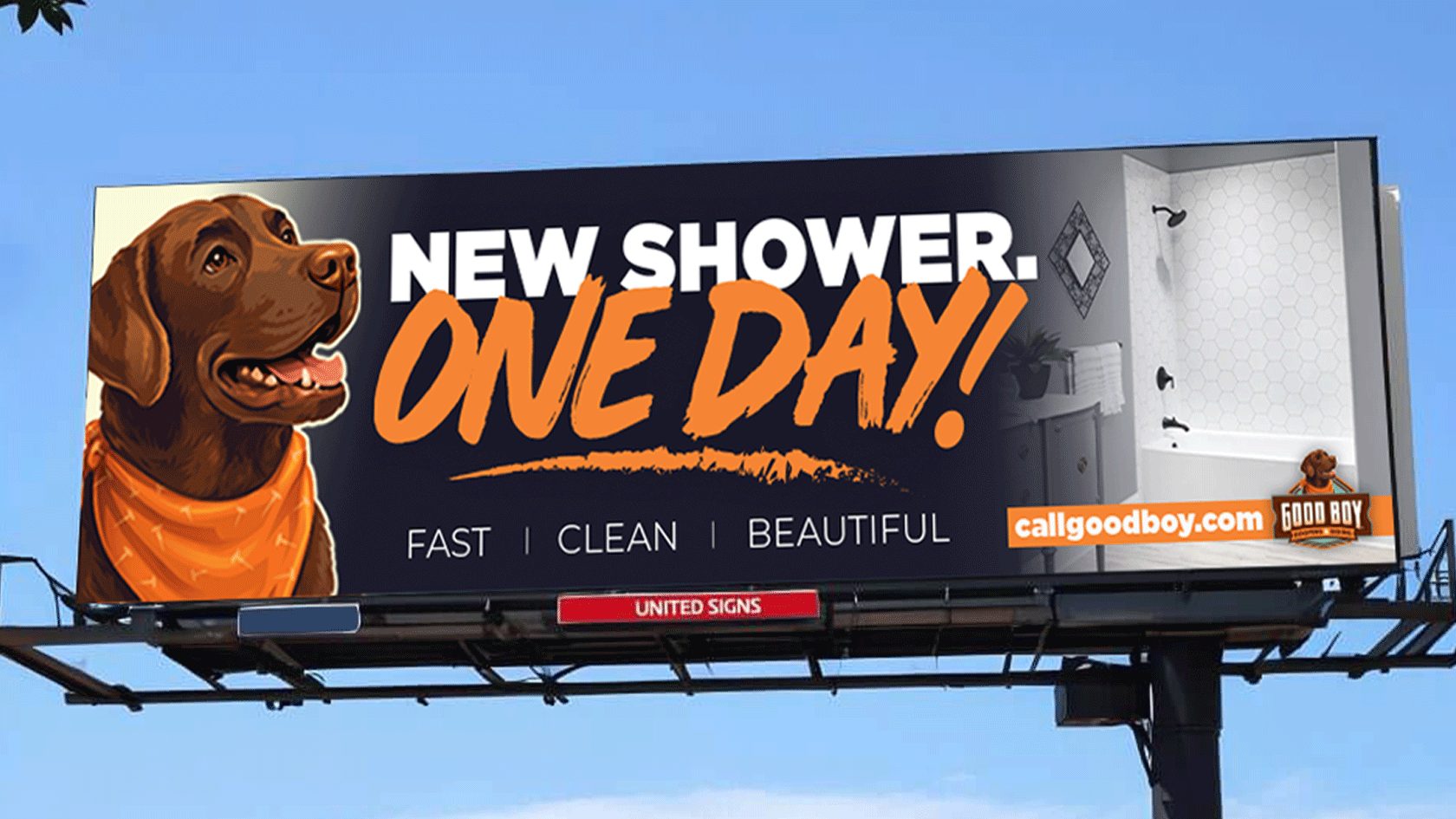
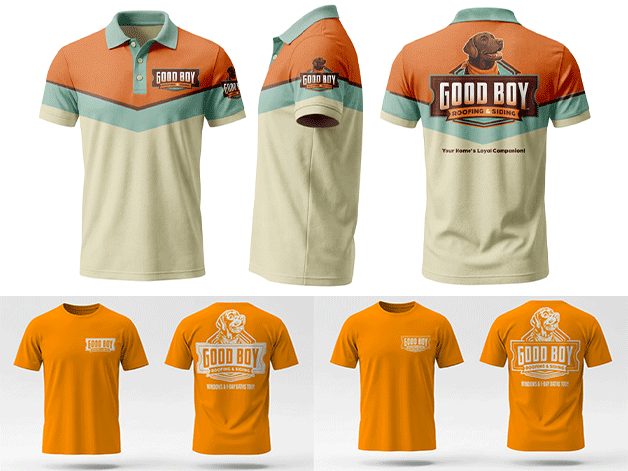
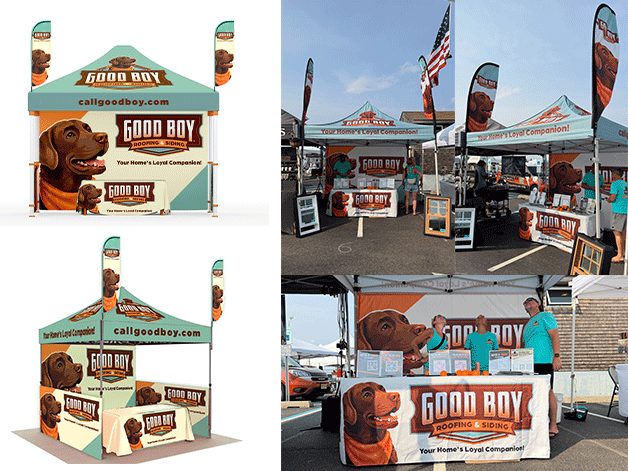
- 03Uniforms, tent, booth, cards, signs, billboards
- 04Meta rebuild, PR, lead-routing SOPs
Through it intact
83 leads in September, the first full month under the new name, and 41% sat for an appointment. The lead engine came through the switch, with a name people could finally remember.
- MayKickoff. 82-point, 90-day checklist and a 30/60/90 plan.
- JuneMeta rebuilt: cold, warm and hot audiences, new forms.
- JulyThree concepts per touchpoint, then print-ready files.
- Aug 29Every channel switches to Good Boy the same day.
- Sept83 leads, 41% sat for an appointment.
Logo, truck wraps and original website by KickCharge.
Read the full case study
The problem
Remodeling Concepts was a well-run roofing and siding company with a name that blended in. In this category, "Concepts," "Quality," "Pro" and "Elite" show up on truck after truck across Bucks, Montgomery, Burlington and Ocean counties. Homeowners couldn't tell one from the next without reading reviews, so everyone ended up competing on price.
The lead engine was already working. I had rebuilt the company's Meta funnel that summer, and its leads were coming in at about a quarter of the cost of Google's. The rebrand couldn't break that.
The strategy
The owner chose the name Good Boy. The mascot was a fight worth having. A lot of ideas were on the table, and I pushed for the simplest one: a dog. Everybody loves a dog, and in a category where nobody stands out, the brand people remember is the one that gets the referral. "Call the roofing company with the dog" is a sentence a homeowner can pass to a neighbor without remembering a phone number or even the name.
The launch had one rule: nothing public moves until everything behind it is ready. Lead routing, scheduling and customer messaging were built and tested first. Then, at the end of August, the new name went live everywhere at once, so no customer ever saw half a rebrand.
The work
KickCharge designed the logo, the truck wraps and the first website. Everything around them was mine: the launch strategy, an 82-point, 90-day checklist, a 30/60/90 plan for the whole team, and a creative brief for every piece.
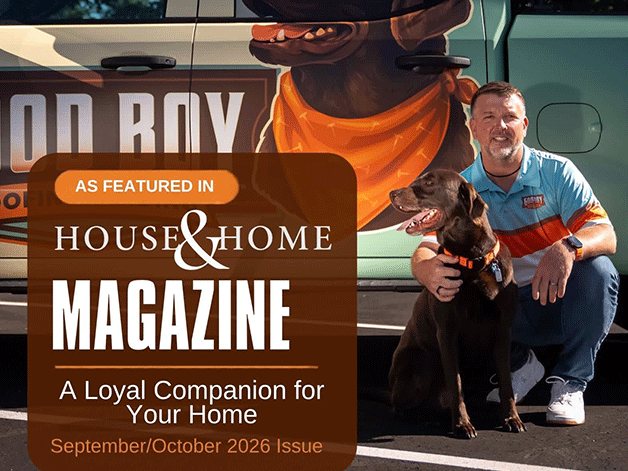
I designed three concepts for each touchpoint, then took the winners to print: uniforms, the event tent and trade show booth, business cards, yard signs and billboards. I rebuilt the Meta campaigns around the new brand. When the site needed fixing, I worked out the plan with Growthline and oversaw the work. I wrote the press release and lined up a magazine feature on the change. Behind all of it, I wrote the lead-routing and source-tagging SOPs so nothing fell through during the switch.
The result
In September, the first full month under the new name, the brand brought in 83 leads, and 41% of them sat for an appointment. The lead engine came through the rebrand intact, and the company finally had a name people could remember and pass along.